Top 10 Zinc Rich Foods for Vegetarians in Pakistan
Finding the right zinc rich foods for vegetarians in Pakistan is essential for maintaining strong immunity and daily energy levels. Many families across Pakistan face hidden nutritional gaps because our traditional daily meals heavily rely on refined wheat and rice. For those who do not eat meat, choosing the right plant-based options becomes even more critical for long-term health.
Dar Wahla brings you this authentic guide to help you choose the best local options. Eating healthy does not mean you have to change your entire lifestyle. By making small, smart adjustments to your kitchen basket, you can easily meet your daily mineral goals. Let us look at the finest plant-based choices available in Pakistan.
1. Talbina (Barley Porridge)
Why It Matters
Talbina is a traditional barley porridge that offers immense nutritional value. Darwahla Original Talbina stands out as an excellent, easily digestible option for your morning meal. It keeps you energized throughout the day.
Zinc Content
One cup of cooked barley porridge offers about 1.2 milligrams of zinc. This fulfills a vital portion of your daily nutritional requirements.
Health Role
It supports digestive health and strengthens your immune response. It also provides sustained energy for your daily chores.
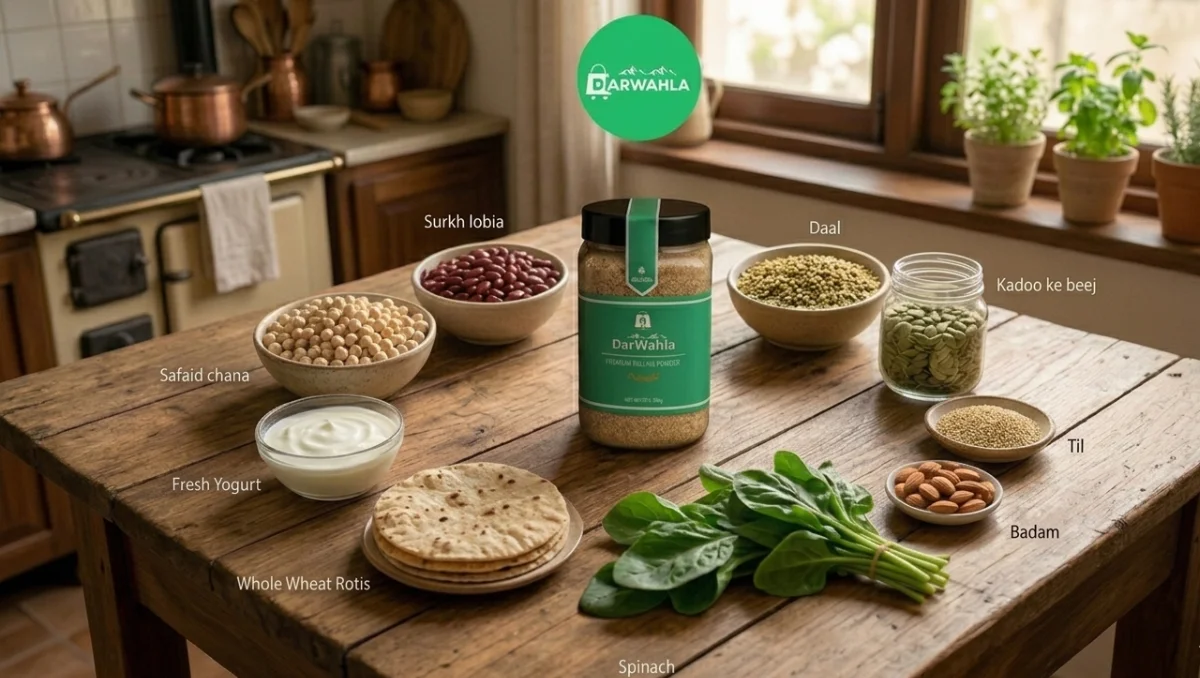
2. White Chickpeas (Safaid Chana)
Why It Matters
Safaid Chana is a beloved staple in every Pakistani kitchen. From tasty chana chaat to delicious morning salan, it is highly versatile. It is affordable and widely available in every local bazaar.
Zinc Content
One cup of boiled chickpeas contains roughly 2.5 milligrams of zinc. This makes it a powerful choice for non-meat eaters.
Health Role
Zinc in chickpeas helps repair your body cells. It also boosts your brain health and keeps your skin glowing.
3. Pumpkin Seeds (Kadoo ke Beej)
Why It Matters
Pumpkin seeds are a tiny powerhouse of wellness. Many people in Pakistan now enjoy them as a crunchy evening snack. You can easily sprinkle them over your daily breakfast bowls.
Zinc Content
Just one ounce of these seeds delivers nearly 2.2 milligrams of zinc. That is a massive amount for a small snack.
Health Role
These seeds assist with deep, restful sleep. They also help regulate blood sugar levels naturally.
4. Lentils (Moong and Masoor Daal)
Why It Matters
Daal chawal is a comfort food for millions of people in Pakistan. Cooking moong or masoor daal daily ensures your family stays strong. These lentils are among the best zinc rich foods for vegetarians in Pakistan.
Zinc Content
One cup of cooked daal provides around 1.5 milligrams of zinc. It is an easy way to eat healthy every day.
Health Role
Lentils support fast wound healing. They also keep your metabolism active and running smoothly.
5. Sesame Seeds (Til)
Why It Matters
Winter treats like til patti are very famous in Pakistani culture. Using sesame seeds in your daily cooking adds a rich flavor. You can also mix them into homemade bakery items.
Zinc Content
One tablespoon of sesame seeds offers about 1.0 milligram of zinc. It is a quick way to upgrade your meals.
Health Role
They protect your heart health. The minerals inside also build stronger bones and joints over time.
6. Almonds (Badam)
Why It Matters
Soaking almonds overnight is an old Pakistani tradition for sharp memory. Grandparents always recommend badam for school-going children. It is a premium snack that offers great luxury and wellness.
Zinc Content
A handful of almonds provides close to 0.9 milligrams of zinc. It is a perfect midday office snack.
Health Role
Almonds shield your body from oxidative stress. They also keep your hair thick and nails strong.
7. Spinach (Palak)
Why It Matters
Aloo palak is a classic dish loved in every Pakistani home. This green leafy vegetable is cheap and packed with vital minerals. It grows abundantly across our local fields.
Zinc Content
One cup of cooked spinach gives you roughly 1.1 milligrams of zinc. It pairs beautifully with whole-wheat roti.
Health Role
Spinach aids in producing healthy red blood cells. It also keeps your eyesight sharp and clear.
8. Whole Wheat Flour (Chakki Ka Atta)
Why It Matters
Roti is the absolute foundation of our daily Pakistani diet. Choosing unrefined chakki atta instead of fine white flour changes everything. It is one of the most reliable fiber rich foods in Pakistan.
Zinc Content
Two standard rotis made from whole wheat provide about 1.4 milligrams of zinc. It satisfies your hunger naturally.
Health Role
It keeps your digestion steady and clean. Whole grains also provide long-lasting muscle strength.
9. Yogurt (Dahi)
Why It Matters
No Pakistani lunch table is complete without a bowl of fresh dahi. It cools your system during hot summer days. It is easily available from nearby milk shops.
Zinc Content
One cup of low-fat yogurt contains around 1.5 milligrams of zinc. It tastes great with any traditional meal.
Health Role
Yogurt builds a robust defense system against seasonal allergies. It also populates your gut with friendly bacteria.
10. Kidney Beans (Surkh Lobia)
Why It Matters
Surkh lobia is highly popular in northern Pakistan and Punjab. It has a rich, savory taste that replaces meat perfectly. It is highly satisfying for young, growing children.
Zinc Content
One cup of cooked kidney beans offers about 1.8 milligrams of zinc. It forms a complete, wholesome meal.
Health Role
It helps maintain steady energy levels. It also assists your body in processing protein efficiently.
Zinc and Iron Content in Vegetarian Foods
To help you plan your kitchen menu, Dar Wahla has organized the nutritional values of these local ingredients below. Eating a variety of these items ensures your family stays vibrant and healthy without relying on synthetic supplements.
| Food Item (1 Cup Cooked / 1 Ounce Seeds) | Zinc Content (mg) | Primary Health Benefit |
| Darwahla Original Talbina | 1.2 mg | Enhances digestion and provides smooth morning energy. |
| White Chickpeas (Safaid Chana) | 2.5 mg | Supports cellular repair and boosts daily brain function. |
| Pumpkin Seeds (Kadoo Beej) | 2.2 mg | Improves sleep quality and regulates blood sugar. |
| Kidney Beans (Surkh Lobia) | 1.8 mg | Boosts protein metabolism and keeps muscles strong. |
| Yogurt (Fresh Dahi) | 1.5 mg | Strengthens immune defense and improves gut health. |
| Moong & Masoor Daal | 1.5 mg | Speeds up wound healing and activates metabolism. |
| Whole Wheat Atta (2 Rotis) | 1.4 mg | Provides steady daily energy and supports gut health. |
| Spinach (Fresh Palak) | 1.1 mg | Protects vision and aids red blood cell production. |
| Sesame Seeds (Til) | 1.0 mg | Promotes heart wellness and reinforces bone density. |
| Almonds (Badam) | 0.9 mg | Combats oxidative stress and enhances memory power. |
The Vital Role of Zinc in Your Body
Zinc acts like a quiet supervisor inside your biological system. Your body cannot produce this mineral on its own, so you must consume it daily. It triggers over three hundred enzymes that keep your organs running safely.
For vegetarians in Pakistan, paying attention to zinc absorption is highly necessary. Many plant foods contain phytates, which are natural compounds that can slow down mineral absorption. To fix this, simply soak your beans, lentils, and seeds in clean water before cooking them.
This simple traditional practice breaks down phytates easily. It allows your body to take in the maximum amount of nutrients. By pairing these foods with vitamin C sources like fresh lemon juice, you can boost your nutrient absorption even further.
Choosing high-quality whole grains and organic choices is another fantastic way to protect your long-term health. These clean options are excellent fiber rich foods in Pakistan that keep your cholesterol levels in check. Investing in your health today protects your family tomorrow.
Conclusion
Balancing your minerals is easy when you utilize the rich variety of local Pakistani ingredients. From morning bowls of barley to afternoon lentils, plant-based diets offer everything your body needs. Focus on fresh, unrefined zinc rich food options to experience real wellness and vitality every single day. True health begins with informed choices in your daily kitchen routine.
FAQs
What are the best zinc rich foods for vegetarians?
The best options include white chickpeas, pumpkin seeds, lentils, and kidney beans. Traditional whole grains and fresh yogurt also provide excellent amounts of daily zinc for non-meat eaters.
Can vegetarians get enough zinc from a Pakistani diet?
Yes, vegetarians can easily get enough zinc by eating diverse local foods. Soaking lentils and seeds before cooking helps your body absorb the mineral much more efficiently every day.
Why do vegetarians need more zinc in their daily meals?
Plant foods contain phytates which can lower the absorption of minerals. Therefore, vegetarians should consume more zinc-dense options to ensure their bodies function at a perfect level.
How does zinc help the human immune system?
Zinc activates key white blood cells that fight off dangerous infections. Eating it regularly helps your body heal wounds faster and shields you from common seasonal flu bugs.
Does soaking lentils improve zinc absorption for our body?
Yes, soaking lentils in water removes natural phytates quite effectively. This simple kitchen method unlocks hidden minerals and allows your digestive system to absorb them completely.