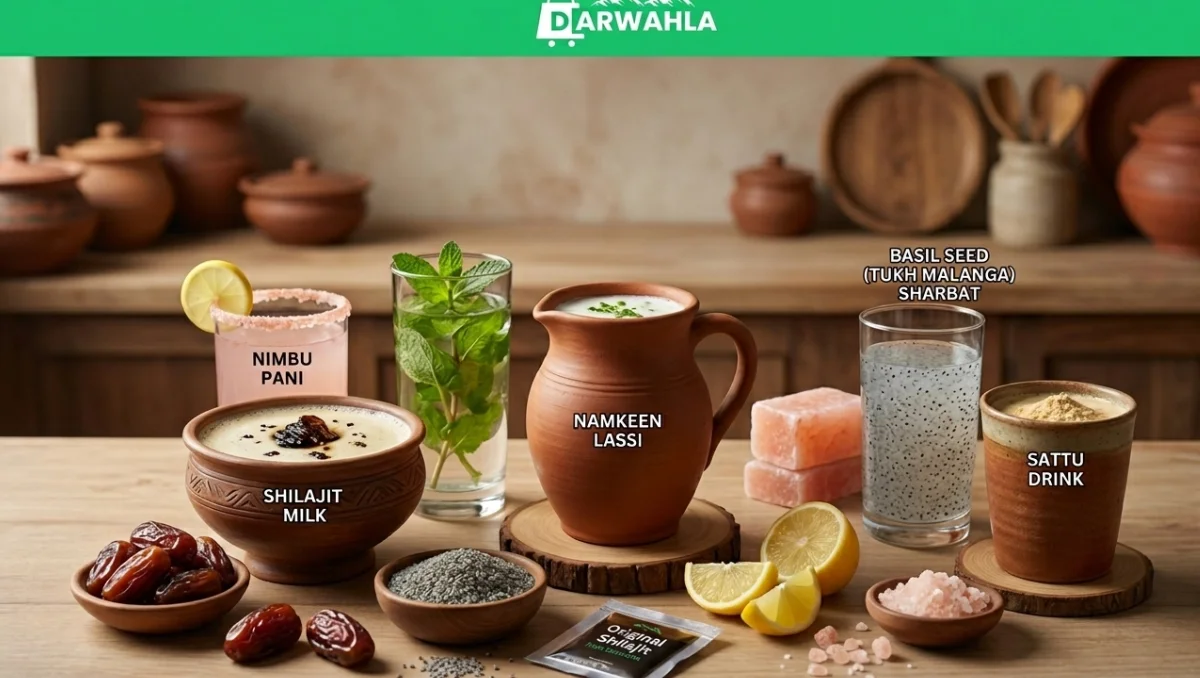
5 Best Drinks For Fasting Hydration That Restore Body Fluids
Choosing the best drinks for fasting hydration that restore body fluids is a vital part of a healthy Ramadan in Pakistan. When you fast for over 12 hours, your body loses essential minerals through sweat and metabolic processes. At Dar Wahla, we focus on providing high-quality natural solutions to help you maintain your energy levels. The right beverages do more than just stop thirst; they recharge your cells and keep your organs functioning smoothly. This guide highlights the most effective traditional and natural drinks favored by the Pakistani public.
Why Hydration Matters for Fasting Success
In cities like Lahore and Karachi, the heat can make fasting a physical challenge. Without proper fluids, you may experience headaches, muscle cramps, or extreme fatigue. Original Shilajit from Darwahla is often used by health-conscious individuals to provide a mineral boost that plain water cannot offer. When you replenish your system with the best drinks for fasting hydration that restore body fluids, you protect your heart and kidneys. This ensures that your fast is both spiritually rewarding and physically sustainable.
Identifying Early Signs of Dehydration
You should watch for a dry mouth or feeling very sleepy after Midday prayers. If your skin feels less elastic, it is a sign your body needs more than just water. To boost immunity during ramadan with natural methods, you must focus on nutrient density. Choosing the right fluids at Suhoor helps you stay active until sunset without feeling drained.
Top 5 Drinks for Lasting Hydration
Here are the most effective drinks to restore your body’s natural balance during the fasting month.
1. Shilajit Infused Warm Milk
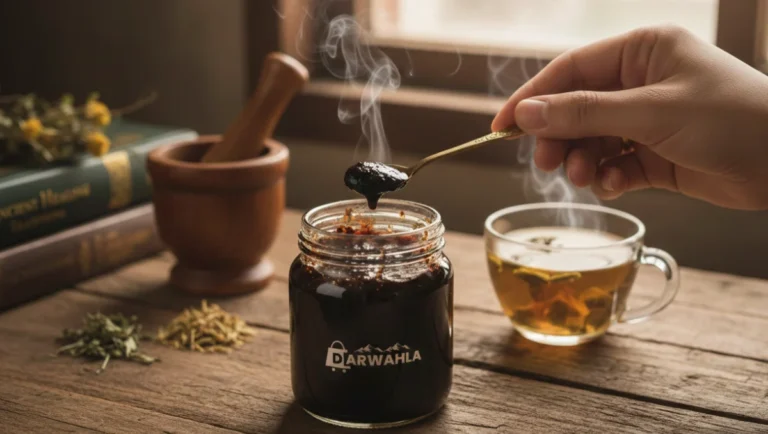
Shilajit is known as the “destroyer of weakness” and is a powerhouse of 84+ minerals. Mixing a pea-sized amount of Original Shilajit from Darwahla in warm milk at Suhoor is incredibly effective. It provides fulvic acid which helps your cells absorb water and nutrients much faster. This drink acts as a long-lasting battery for your body, ensuring you don’t feel the typical afternoon energy crash.
2. Traditional Namkeen Lassi
Lassi is perhaps the most beloved drink in Pakistan for a reason. This yogurt-based beverage is rich in probiotics and electrolytes like sodium and potassium. A salty lassi helps the body retain water for a longer duration compared to plain water. It also keeps the stomach cool, preventing the acidity that often comes from fried Iftar snacks.
3. Sattu (Roasted Gram Flour) Drink
Sattu is a “superfood” from our local heritage that is making a huge comeback. When mixed with cold water and a bit of jaggery (shakkar), it creates a thick, hydrating tonic. It is high in fiber and protein, which means it releases energy slowly throughout the day. This is one of the best drinks for fasting hydration that restore body fluids because it keeps you full and hydrated simultaneously.
4. Lemon and Pink Salt Water
Commonly known as “Nimbu Pani,” this simple drink is a natural ORS (Oral Rehydration Solution). Using Pakistani pink Himalayan salt provides essential trace minerals that are lost through sweat. It is a fantastic way to boost immunity during Ramadan with natural methods while cleansing the liver. Drinking this at Iftar helps restore your blood pressure levels almost instantly.
5. Tukh Malanga (Basil Seeds) Sharbat
Basil seeds are famous for their ability to hold a large amount of water. When you consume them in a rose or sandalwood syrup, they act as tiny reservoirs in your gut. They release hydration slowly into your bloodstream over several hours. This prevents the sudden “dehydration hit” that many people feel during the late afternoon.
Hydration Comparison Table
| Drink Name | Key Benefit | Best Time to Drink |
| Shilajit Milk | 84+ Minerals & ATP Energy | Suhoor (Early Morning) |
| Namkeen Lassi | Electrolyte Retention | Suhoor or Iftar |
| Sattu Drink | Slow-Release Hydration | Suhoor |
| Lemon Water | pH Balance & Vitamin C | Iftar (Breaking Fast) |
| Tukh Malanga | Internal Cooling | Iftar or Post-Isha |
Expert Tips for a Hydrated Ramadan
- Avoid drinking 5-6 glasses of water at once; your body will just flush it out.
- Sip your drinks slowly over the course of the night to allow for cellular absorption.
- Dar Wahla experts recommend avoiding “Chai” or “Coffee” at Suhoor as they are diuretics.
- Use natural sweeteners like honey or dates instead of white sugar to avoid energy spikes.
- Always break your fast with a mineral-rich fruit like watermelon or a date.
Conclusion
Staying healthy while fasting is a balance of tradition and science. By choosing the best drinks for fasting hydration that restore body fluids, you can enjoy a more energetic and focused month. Whether it is the mineral-rich Original Shilajit from Darwahla or a refreshing glass of lassi, these natural choices are far superior to sugary sodas. Listen to your body and prioritize drinks that nourish your cells from within.
FAQs
Why is Shilajit recommended for fasting hydration?
Shilajit contains fulvic acid which improves the “bioavailability” of water and minerals. This means your body can actually use the fluids you drink more effectively. It prevents the mineral depletion that often causes weakness during long fasting hours in the heat.
Can I drink lassi at both Suhoor and Iftar?
Yes, lassi is very versatile. At Suhoor, it provides protein to keep you full and hydrated. At Iftar, its probiotic nature helps your stomach digest the heavy or fried foods that are common in Pakistani households.
Is Sattu drink better than commercial energy drinks?
Absolutely. Commercial energy drinks are full of caffeine and sugar which lead to dehydration. Sattu is a natural protein source with a low glycemic index. It provides steady energy and keeps the body cool naturally without any side effects.
How much water should I drink between Iftar and Suhoor?
Health experts suggest drinking 8 to 12 glasses of fluid in total. The best way is to follow a “2-4-2” rule: two glasses at Iftar, four glasses during the night, and two to three glasses at Suhoor.
Does drinking tea (Chai) cause thirst during the day?
Yes, tea contains caffeine which makes you urinate more frequently. This leads to faster water loss from the body. If you love tea, try to have it at least two hours after Iftar and avoid it during Suhoor for better hydration.