How To Boost Immunity During Ramadan With Natural Methods
One of the most effective ways to boost immunity during Ramadan with natural methods is by choosing ancient, nutrient-dense foods. Dar Wahla understands that fasting in Pakistan requires a balance of spiritual devotion and physical well-being. When we fast for long hours, our bodies need specific nutrients to keep our defenses strong. Using natural foods and habits ensures you remain energetic from Suhoor until Iftar.
Why Immunity Matters During the Holy Month
Fasting is a beautiful journey of self-discipline and reflection for every Pakistani. However, changes in eating and sleeping patterns can sometimes stress the immune system. Your body needs a steady supply of vitamins to fight off seasonal bugs. Focusing on natural wellness helps you fulfill your religious duties with a healthy body and mind. It is very important to eat well during the nights.
Essential Foods to Strengthen Your Body
The food you choose at Suhoor and Iftar acts as your primary medicine. Choosing whole foods over processed items makes a massive difference in how you feel.
Power of Dates and Honey
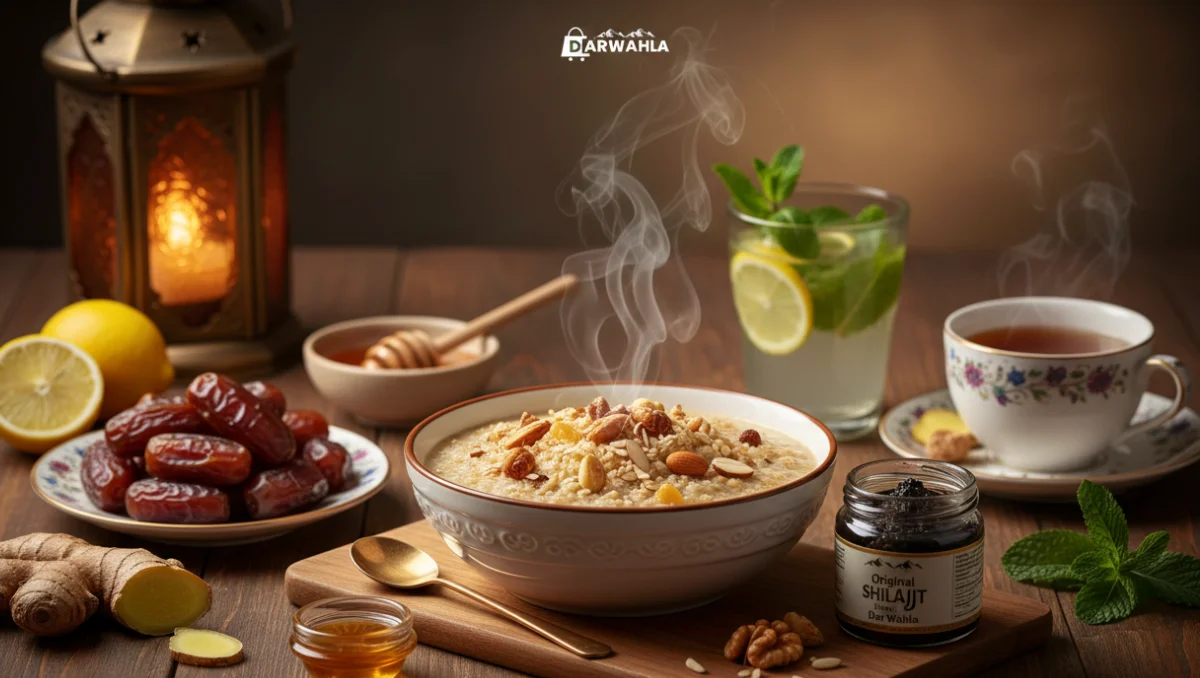
Dates are the traditional way to break a fast for a very good reason. They provide an instant energy boost and are packed with essential fiber. Adding a spoonful of organic honey to your routine also helps kill harmful bacteria. These simple sunnah foods are the foundation of a strong immune response during the hot months. Many people in Lahore and Karachi love these natural sweets.
Incorporating Traditional Superfoods
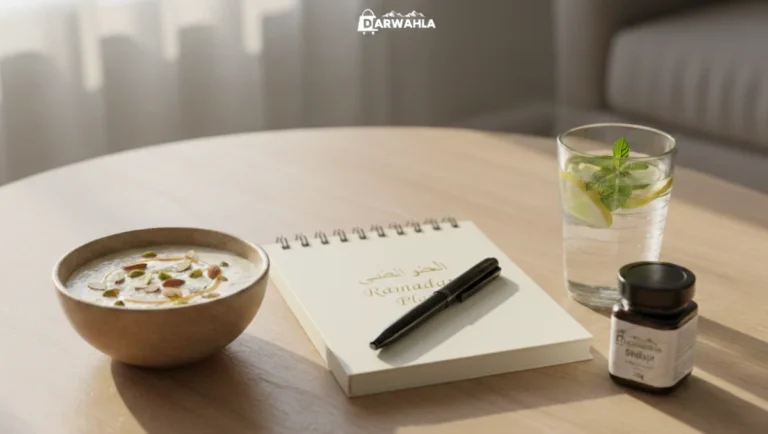
Many Pakistanis are returning to ancient remedies to stay fit during the holy month. Using Darwahla talbina at Suhoor provides slow-releasing energy that lasts throughout the entire day. This barley-based dish is gentle on the stomach and keeps your gut health in check. A healthy gut is where a large part of your immune system lives and thrives. It is a warm, comforting meal that fills the belly without causing heaviness.
Hydration Strategies for Lasting Health
Drinking enough water is the most important part of any Ramadan health plan. Dehydration can make you feel tired and lower your body’s ability to fight germs.
Best Times to Drink Water
Do not try to drink all your water at once during Iftar. Instead, sip small amounts every hour between Iftar and the time you sleep. This helps your kidneys process the fluid better without making you feel uncomfortably bloated. Aim for at least eight to ten glasses of water during the non-fasting hours.
Avoiding Sugary Drinks
Traditional drinks like red syrups are popular but often contain too much refined sugar. High sugar intake can actually weaken your white blood cells for several hours. Switch to fresh lemon water or mint-infused drinks to stay refreshed and keep your skin glowing. Natural juices are always better than soda.
Natural Supplements for Extra Support
Sometimes, our diet needs a little extra help to reach peak performance. Natural resins and herbs have been used in our region for centuries to improve vitality.
Benefits of Mineral-Rich Resins
Using Original Shilajit from Darwahla can provide over 84 minerals that are often missing from modern meals. These minerals help repair cells and improve your stamina during the long hours of prayer. It is a natural way to ensure your body has the building blocks it needs. Just a tiny amount can significantly improve your daily focus and physical strength. Many elders in Pakistan have used this for generations to stay active.
Herbal Teas for Digestion
Green tea or ginger tea after Iftar helps move food through your system efficiently. Good digestion prevents inflammation, which is a major enemy of a healthy immune system. These teas also provide antioxidants that protect your cells from damage while you are fasting.
Weight Management and Immune Health
Many people aim to lose weight during Ramadan while keeping their energy levels high. Balancing your weight is not just about looks; it reduces the burden on your heart.
Choosing Complex Carbohydrates
Replace white bread and fried pakoras with whole grains like oats or brown rice. These foods take longer to digest and keep your blood sugar levels very stable. Stable blood sugar prevents the “crashing” feeling that often leads to overeating during Iftar. This is a very smart way to manage your hunger.
Importance of Lean Proteins
Protein is the building block of your immune cells and muscle tissue. Include eggs, lentils, or grilled chicken in your meals to stay satiated and strong. Protein also helps you lose weight during Ramadan by maintaining muscle while burning fat stores.
Daily Nutrition for a Stronger Ramadan
| Time of Day | Recommended Intake | Benefit for Body |
| Suhoor | Darwahla talbina with milk | Long-lasting energy and gut health |
| Post-Iftar | Original Shilajit from Darwahla | Mineral replenishment and stamina |
| Iftar | Dates and fresh water | Quick energy and hydration |
| Bedtime | Herbal tea | Improved digestion and sleep |
Maximizing the Power of Talbina
Using barley-based meals like Darwahla talbina is not just a tradition; it is a health necessity. This meal is rich in minerals like magnesium and potassium. These minerals help regulate your blood pressure during the long day. It also acts as a natural prebiotic. Prebiotics feed the good bacteria in your stomach. When your stomach is happy, your immune system is much stronger. Many families now serve this to children and the elderly for extra strength.
Shilajit for Daily Recovery
The body goes through a lot of change when you fast in a warm climate. Using Original Shilajit from Darwahla daily helps in detoxifying the blood. This natural resin contains fulvic acid. Fulvic acid helps your cells absorb nutrients from the food you eat at Iftar more effectively. It is best taken with warm milk or water after you have finished your evening meal. This ensures that your body recovers from the day’s fatigue before you wake up for the next Suhoor.
Sleep and Recovery Habits
Sleep is often neglected during Ramadan due to late-night prayers and early Suhoor timings. However, your immune system repairs itself primarily while you are deep in sleep.
Creating a Nap Schedule
If you cannot get eight hours at night, try to take a short nap after Zuhur. Even a thirty-minute rest can lower your cortisol levels and boost your mood. High stress levels from lack of sleep can make you more likely to get sick.
Quality Over Quantity
Make your bedroom dark and cool to ensure the sleep you do get is high quality. Avoid using your phone at least thirty minutes before you plan to close your eyes. This helps your brain produce melatonin, which is a powerful hormone for immune recovery.
Physical Activity While Fasting
You do not need to stop moving just because you are fasting for the day. Light movement keeps your blood circulating and helps flush out toxins from your body.
Best Time for Light Exercise
The best time for a walk is usually an hour before Iftar or two hours after. Avoid heavy lifting or intense cardio during the heat of the day to prevent dehydration. A simple fifteen-minute walk can improve your lung capacity and overall heart health.
Stretching for Muscle Health
Simple stretching or yoga can help relieve the back pain often felt during long Taraweeh prayers. Keeping your body flexible ensures that your lymphatic system moves waste products out of your body. This is a key part of how you boost immunity during Ramadan with natural methods.
Mental Well-being and Immunity
A calm mind leads to a strong body, especially during a month of spiritual focus. Stress creates hormones that can suppress your immune system’s ability to protect you.
Power of Mindfulness
Spend time in dhikr or quiet reflection to lower your daily anxiety levels. Focusing on gratitude has been scientifically proven to improve physical health markers in the body. Dar Wahla encourages a holistic approach where the soul and body are treated with equal care.
Community and Connection
Sharing meals with family and helping those in need boosts your “feel-good” hormones. These chemicals, like oxytocin, play a subtle but important role in keeping your defenses high. A happy heart is often the best defense against any physical ailment.
Conclusion
To boost immunity during Ramadan with natural methods, one must look at diet, sleep, and mindset. By choosing nutrient-dense foods and staying hydrated, you prepare your body for the blessings of this month. Small changes in your routine can lead to lasting health benefits that continue even after Eid. Prioritizing your well-being allows you to worship with full sincerity and physical strength. Exploring natural paths to health is a rewarding journey for every individual in Pakistan.
FAQs
How can I boost my immune system naturally while fasting?
You can boost immunity during Ramadan with natural methods by eating antioxidant-rich foods like dates and citrus. Focus on deep sleep and stay hydrated between Iftar and Suhoor to help your body recover.
Is it possible to stay hydrated with just two meals?
Yes, you must drink water consistently during the non-fasting hours to maintain proper hydration levels. Include water-rich fruits like watermelon and cucumbers in your Iftar to provide your body with extra fluids naturally.
What are the best foods for Suhoor to keep energy high?
Eating complex carbohydrates like oats or barley helps provide a steady stream of energy throughout your fast. Adding healthy fats from nuts or seeds will also keep you feeling full and satisfied for longer.
Why is gut health important for my immunity?
Most of your immune cells are located in your digestive tract, making gut health essential for fighting germs. Eating fiber-rich foods and natural yogurt helps maintain the good bacteria that protect your entire body.
How do I avoid feeling tired after breaking my fast?
Avoid eating very large, oily meals all at once, which can cause a sudden heavy sugar crash. Instead, start with dates and water, pray, and then eat a balanced meal with protein and vegetables.